The Role of Injections in Hip Preservation: Diagnostic Tool, Temporary Relief, or Treatment Strategy?
Hip pain has a way of quietly limiting your life, from cutting workouts short to making simple movements uncomfortable.
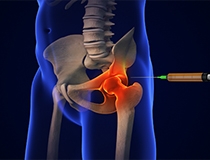
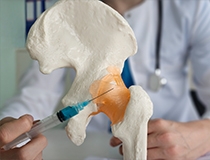
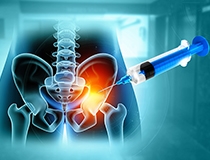
Hip pain doesn't follow a script, and neither should your treatment. Whether you're an athlete pushing through training or an adult struggling with everyday movement, hip pain can quietly erode your quality of life. The good news is that non-surgical options have advanced significantly, and for many patients, the right injection at the right time can be genuinely life-changing. Here's what you need to know about hip injections.
For an athlete, a sharp twinge in the hip can be devastating, instantly bringing training to a grinding halt. However, what feels like a joint issue can sometimes be a deceptive signal sent from somewhere else entirely. Misidentifying the source can lead to months of ineffective treatment and frustration. Here’s what every athlete should know about referred hip pain.
PRP and other regenerative injections are helping many people avoid or delay surgery. But if you skip the rehabilitation process afterward, you may not get the full benefit of the treatment. Physical therapy helps restore strength, stability, and movement in the healing joint. Find out why injections and rehabilitation work best together.
As regenerative medicine gains increasing attention, many patients wonder whether biologic injections can eliminate the need for surgery altogether. While these treatments can play an important role in orthopedic care, they are not a universal substitute for surgical treatment. Understanding when biologic injections help and when surgery is still necessary can help patients make more informed decisions about their care.