
PRP and other regenerative injections are helping many people avoid or delay surgery. But if you skip the rehabilitation process afterward, you may not get the full benefit of the treatment. Physical therapy helps restore strength, stability, and movement in the healing joint. Find out why injections and rehabilitation work best together.
How Orthobiologics Like PRP Help Repair Joints and Soft Tissues
Orthobiologics are biologically derived treatments designed to stimulate healing in injured tissues. Instead of simply relieving symptoms, these therapies aim to support tissue repair and improve the health of joints, ligaments, tendons, and cartilage.
Common orthobiologic treatments include platelet-rich plasma (PRP), which concentrates growth factors from a patient’s own blood to promote healing. Cell-based therapies use regenerative cells from the patient’s body to support tissue repair and reduce inflammation. Viscosupplementation, often used for knee osteoarthritis, involves injecting hyaluronic acid into the joint to improve lubrication and reduce friction during movement.
While these treatments can create an environment that encourages healing, the body still needs proper movement and strengthening to fully restore function.
Why Orthobiologic Injections Alone May Not Be Enough
Many patients assume that once they receive a regenerative injection, their injury will heal without additional effort. In reality, orthobiologic treatments work best when combined with a structured rehabilitation plan.
Injections may help reduce inflammation and stimulate tissue repair, but they do not automatically restore strength, flexibility, or joint stability. Muscles that support an injured joint may remain weak, and movement patterns that contributed to the injury may still be present.
Without rehabilitation, patients may continue to experience stiffness, reduced mobility, or recurring pain even after a successful injection treatment. Physical therapy addresses these underlying issues and helps the body adapt to the healing process.
How Physical Therapy Supports Regenerative Healing
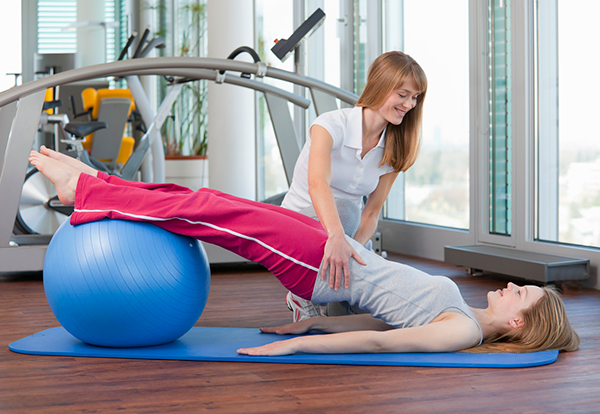
Physical therapy plays a critical role in maximizing the benefits of orthobiologic treatments. After an injection, therapists guide patients through carefully designed exercises that promote healing while protecting the treated tissue.
Early rehabilitation often focuses on gentle range-of-motion exercises that prevent stiffness and maintain joint mobility. As healing progresses, strengthening exercises help rebuild muscle support around the injured area. This improves joint stability and reduces the risk of re-injury.
Therapists also help patients correct movement patterns that may have contributed to the original injury. For athletes and active individuals, rehabilitation programs may include sport-specific training designed to safely restore performance.
The Timing of Rehabilitation After Orthobiologic Injections
The rehabilitation timeline after orthobiologic injections varies depending on the condition being treated and the type of therapy used. In many cases, physicians recommend a brief period of rest immediately after the injection to allow the biologic treatment to begin working within the tissue.
After this initial phase, guided physical therapy gradually reintroduces movement and strengthening exercises. This step-by-step approach ensures that healing tissues are not overloaded too quickly while still maintaining joint function.
Following a structured rehabilitation plan is important because returning to normal activities too soon or remaining inactive for too long can both interfere with optimal recovery.
A Combined Approach Leads to Better Outcomes
Orthobiologic treatments represent an exciting advancement in orthopedic care, offering new options for patients seeking minimally invasive solutions for joint pain and soft tissue injuries. However, these therapies are most effective when they are part of a comprehensive treatment plan.
Combining regenerative injections with targeted physical therapy allows patients to address both the biological healing process and the mechanical function of the joint. This integrated approach can improve strength, restore mobility, and help patients return to their normal activities with greater confidence.
Frequently Asked Questions
- Do I need physical therapy after a PRP injection?
Yes, in many cases, physical therapy is recommended after PRP injections. Rehabilitation helps restore strength, improve mobility, and ensure that the treated joint or tendon heals properly.
- When can I start physical therapy after an orthobiologic injection?
The timing varies depending on the condition treated and the type of injection. Many patients begin gentle movement within a few days, followed by guided physical therapy as healing progresses.
- Why is rehabilitation important after regenerative injections?
Orthobiologic injections support the body’s healing process, but they do not automatically restore muscle strength, flexibility, or joint stability. Physical therapy helps rebuild these functions and reduce the risk of re-injury.
- What conditions are commonly treated with orthobiologic injections and therapy?
These treatments are often used for tendon injuries, ligament strains, mild to moderate osteoarthritis, and chronic joint pain affecting the knee, shoulder, elbow, or hip.
- Can physical therapy improve the results of regenerative treatments?
Yes. Combining orthobiologic injections with a structured rehabilitation program often leads to better outcomes by improving strength, restoring movement, and supporting long-term joint health.
Reference Links:
AUTHOR: Megan Flynn, M.D. – Orthopedic Sports Medicine Surgeon
Megan Flynn, M.D. is a fellowship-trained orthopedic surgeon specializing in sports medicine, regenerative medicine, and performance-focused musculoskeletal care. She serves as Director of Performance & Women’s Health and is dedicated to helping athletes and active individuals recover from injury, restore mobility, and return safely to peak performance through advanced surgical and non-surgical treatment strategies.
Credentials & Recognition
Dr. Flynn completed her undergraduate education at the University of Notre Dame before earning her medical degree from Georgetown University, where she received honors for leadership and teaching and was elected class vice president. She began her surgical training at Columbia University and completed her orthopedic surgery residency at the Cleveland Clinic.
To further refine her expertise, Dr. Flynn completed a prestigious sports medicine fellowship at the American Sports Medicine Institute, gaining advanced experience in the treatment of complex athletic injuries and performance optimization.
Clinical Expertise
Dr. Flynn specializes in the care of athletes at every level, from elite professionals to active individuals and weekend competitors. Her clinical focus includes soft tissue injuries and advanced treatment of the knee, shoulder, and elbow, using both minimally invasive surgical techniques and regenerative medicine therapies.
Known for her compassionate bedside manner, comprehensive approach to recovery, and commitment to patient well-being, Dr. Flynn is equally passionate about mentoring and training the next generation of physicians in the evolving field of sports medicine. Her goal is to deliver personalized, performance-driven care that restores confidence, function, and long-term joint health.
Medical Disclaimer: This information is for educational purposes only and does not constitute medical advice. For diagnosis and treatment recommendations, please consult with Dr. Flynn or another qualified orthopedic specialist at the American Hip Institute.
Content authored by Dr. Flynn and verified against official sources.
AUTHOR: Dr. Etan P. Sugarman, MD, FAAOS - Orthopedic Joint Preservation & Sports Medicine Surgeon
Dr. Etan P. Sugarman is a board-certified orthopedic surgeon specializing in joint preservation, hip arthroscopy, sports medicine, and hip replacement at American Hip Institute & Orthopedic Specialists. He serves as Director of Joint Preservation and focuses on advanced, minimally invasive solutions to restore function and help patients return to active lifestyles.
Credentials & Recognition
Dr. Sugarman graduated with honors from New York University and completed his orthopedic surgery residency, where he graduated at the top of his class and was inducted into the prestigious American Orthopaedic Association (AOA).
He completed fellowship training in orthopaedic sports medicine at the Kerlan-Jobe Orthopaedic Clinic. He also completed advanced training in hip arthroscopy, preservation, and reconstruction at the American Hip Institute Research Foundation under the mentorship of Dr. Benjamin Domb.
Dr. Sugarman served as clinical and educational faculty at Lenox Hill Hospital in New York City for nearly a decade. He is a Fellow of the American Academy of Orthopaedic Surgeons (FAAOS) and has received multiple awards recognizing his contributions to orthopedic research and education.
Clinical Expertise
Dr. Sugarman specializes in the full spectrum of joint preservation and sports medicine, including hip arthroscopy for femoroacetabular impingement and labral tears, minimally invasive joint preservation procedures, and hip replacement. He also treats complex shoulder and knee conditions using advanced arthroscopic and reconstructive techniques.
He has developed innovative surgical techniques in hip and shoulder surgery and is actively involved in teaching advanced joint preservation procedures to orthopedic surgeons worldwide.
Dr. Sugarman has treated professional and elite athletes from organizations including the NFL, MLB, NHL, NBA/WNBA, MLS, and Division I collegiate programs, as well as Olympic athletes. He has authored over 100 publications and presentations and is dedicated to advancing the field of joint preservation and sports medicine.
Medical Disclaimer: This information is for educational purposes only and does not constitute medical advice. For diagnosis and treatment recommendations, please consult with Dr. Sugarman or another qualified orthopedic specialist at American Hip Institute & Orthopedic Specialists.
Content authored by Dr. Etan P. Sugarman and verified against official sources.