

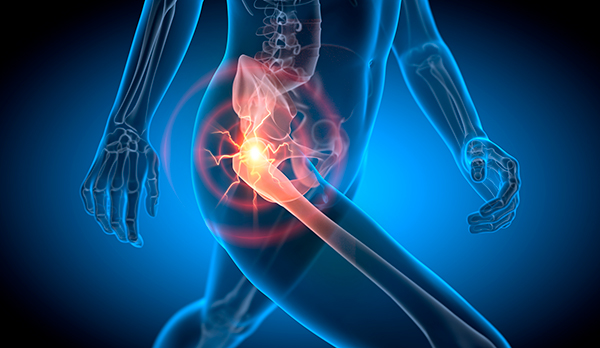
Biologic therapies have become an increasingly visible part of hip pain management, particularly for patients hoping to delay or avoid surgery. Yet, clinical results vary widely. Some patients experience symptom relief, while others see only short-term improvement. Let’s explore why biologic treatments help some patients, but fall short for others.
How Biologic Therapies Work in Hip Joint Preservation
Biologic therapies such as platelet rich plasma therapy or specialized cell therapy are designed to influence the joint environment by reducing inflammation and supporting tissue health. Clinical research suggests that orthobiologics may improve pain and function in patients with early cartilage damage or mild degenerative changes.1 While promising, these therapies are not regenerative cures and must be used within clearly defined clinical indications.
The Role of Hip Biomechanics in Persistent Hip Pain
Hip pain is rarely driven by biology alone. Structural conditions such as femoroacetabular impingement (FAI), labral tears, instability, and abnormal joint mechanics frequently coexist with cartilage damage. When these mechanical contributors are left unaddressed, inflammation often returns, regardless of the biologic treatment used. Persistent mechanical stress continues to damage cartilage, limiting the durability of biologic therapies.
Why Biologic-Only Treatment Plans Often Fall Short
Biologic injections cannot correct abnormal bone morphology, restore labral integrity, or normalize joint loading patterns. So ongoing biomechanical imbalance accelerates cartilage breakdown, even when biologic therapies temporarily reduce symptoms, particularly in the presence of untreated structural pathology. This explains why patients may feel initial improvement but later experience recurring hip pain.
The Missing Piece in Biologic Treatment Plans: Comprehensive Hip Care
The missing piece in biologic treatment plans for hip pain is a comprehensive, multidisciplinary approach that integrates biology with biomechanics. At the American Hip Institute, biologic therapies are used as adjuncts within a broader hip preservation strategy that includes advanced imaging, precise diagnosis, mechanical correction when indicated, and structured rehabilitation. This integration is critical for achieving durable outcomes.
How Biologics Support Hip Arthroscopy and Rehabilitation
When used appropriately, biologic therapies may enhance healing following hip arthroscopy, improve the intra-articular environment after mechanical correction, and support tissue recovery during rehabilitation. Outcomes are most favorable when patient selection, timing, and indications are guided by evidence rather than trends.
What Biologic Therapies Cannot Do for Advanced Hip Arthritis
Even with advances in biologic science, these treatments cannot reverse advanced osteoarthritis, regenerate large areas of lost cartilage, or replace surgery when significant structural pathology exists. Presenting biologics as standalone cures risks delaying effective treatment.
Evidence-Based Hip Preservation at the American Hip Institute
The future of hip pain management lies not in a single injection, but in integration. By combining biologic therapies, biomechanical correction, and evidence-based rehabilitation, comprehensive care models offer the best opportunity for long-term joint preservation. This research-driven philosophy remains central to the American Hip Institute’s approach to treating hip pain.
Frequently Asked Questions About Biologic Therapies for Hip Pain
Are biologic therapies a cure for hip arthritis?
No. While biologic treatments such as platelet-rich plasma or cell-based therapies may help reduce inflammation and improve symptoms in select patients, they cannot regenerate advanced cartilage loss or reverse significant osteoarthritis. Their role is supportive rather than curative.
Who is the best candidate for biologic treatment of hip pain?
Patients with early cartilage damage, mild degenerative changes, or inflammation-driven symptoms, without major structural abnormalities, tend to benefit most. Careful evaluation of joint mechanics, imaging findings, and overall hip stability is essential before considering treatment.
Why do some patients improve while others do not?
Clinical outcomes vary because hip pain is often influenced by both biological and mechanical factors. If underlying structural issues such as femoroacetabular impingement (FAI), labral tears, or instability remain untreated, symptom relief from biologics may be temporary.
Can biologic injections replace hip surgery?
In certain early-stage conditions, biologics may help delay or reduce the need for surgery. However, they cannot correct abnormal bone shape, repair a torn labrum, or restore joint mechanics when significant structural pathology is present.
How are biologic therapies used alongside hip arthroscopy?
When appropriately timed, biologics may support healing after mechanical correction, improve the joint environment, and assist rehabilitation. Their effectiveness is greatest when integrated into a comprehensive treatment plan rather than used alone.
Why is a comprehensive approach important for lasting results?
Durable improvement typically requires addressing inflammation, biomechanics, tissue health, and rehabilitation together. At the American Hip Institute, biologic therapies are incorporated within an evidence-based hip preservation strategy designed to optimize long-term joint function rather than provide short-term symptom relief alone.
Hear From Our Patients
Choosing the right approach to hip pain treatment is a personal journey, and hearing from others who have faced similar decisions can provide valuable reassurance. Patients who have explored biologic therapies as part of a comprehensive hip preservation strategy often describe meaningful improvements in comfort, mobility, and confidence when treatment is guided by precise diagnosis and integrated care. To better understand how individualized planning and evidence-based use of biologics can influence recovery, explore patient experiences from those treated at the American Hip Institute.
Reference Link:
Regenerative Medicine & Patient Optimization - American Hip Institute Research Foundation
AUTHOR: Dr. Megan Flynn, M.D. – Orthopedic Sports Medicine Surgeon
Megan Flynn, M.D. is a fellowship-trained orthopedic surgeon specializing in sports medicine, regenerative medicine, and performance-focused musculoskeletal care. She serves as Director of Performance & Women’s Health and is dedicated to helping athletes and active individuals recover from injury, restore mobility, and return safely to peak performance through advanced surgical and non-surgical treatment strategies.
Credentials & Recognition
Dr. Flynn completed her undergraduate education at the University of Notre Dame before earning her medical degree from Georgetown University, where she received honors for leadership and teaching and was elected class vice president. She began her surgical training at Columbia University and completed her orthopedic surgery residency at the Cleveland Clinic.
To further refine her expertise, Dr. Flynn completed a prestigious sports medicine fellowship at the American Sports Medicine Institute, gaining advanced experience in the treatment of complex athletic injuries and performance optimization.
Clinical Expertise
Dr. Flynn specializes in the care of athletes at every level, from elite professionals to active individuals and weekend competitors. Her clinical focus includes soft tissue injuries and advanced treatment of the knee, shoulder, and elbow, using both minimally invasive surgical techniques and regenerative medicine therapies.
Known for her compassionate bedside manner, comprehensive approach to recovery, and commitment to patient well-being, Dr. Flynn is equally passionate about mentoring and training the next generation of physicians in the evolving field of sports medicine. Her goal is to deliver personalized, performance-driven care that restores confidence, function, and long-term joint health.
Medical Disclaimer:
This information is for educational purposes only and does not constitute medical advice. For diagnosis and treatment recommendations, please consult with Dr. Flynn or another qualified orthopedic specialist.
Content authored by Dr. Flynn and verified against official sources.
AUTHOR: Dr. Etan P. Sugarman, MD, FAAOS - Orthopedic Joint Preservation & Sports Medicine Surgeon
Dr. Etan P. Sugarman is a board-certified orthopedic surgeon specializing in joint preservation, hip arthroscopy, sports medicine, and hip replacement at American Hip Institute & Orthopedic Specialists. He serves as Director of Joint Preservation and focuses on advanced, minimally invasive solutions to restore function and help patients return to active lifestyles.
Credentials & Recognition
Dr. Sugarman graduated with honors from New York University and completed his orthopedic surgery residency, where he graduated at the top of his class and was inducted into the prestigious American Orthopaedic Association (AOA).
He completed fellowship training in orthopaedic sports medicine at the Kerlan-Jobe Orthopaedic Clinic. He also completed advanced training in hip arthroscopy, preservation, and reconstruction at the American Hip Institute Research Foundation under the mentorship of Dr. Benjamin Domb.
Dr. Sugarman served as clinical and educational faculty at Lenox Hill Hospital in New York City for nearly a decade. He is a Fellow of the American Academy of Orthopaedic Surgeons (FAAOS) and has received multiple awards recognizing his contributions to orthopedic research and education.
Clinical Expertise
Dr. Sugarman specializes in the full spectrum of joint preservation and sports medicine, including hip arthroscopy for femoroacetabular impingement and labral tears, minimally invasive joint preservation procedures, and hip replacement. He also treats complex shoulder and knee conditions using advanced arthroscopic and reconstructive techniques.
He has developed innovative surgical techniques in hip and shoulder surgery and is actively involved in teaching advanced joint preservation procedures to orthopedic surgeons worldwide.
Dr. Sugarman has treated professional and elite athletes from organizations including the NFL, MLB, NHL, NBA/WNBA, MLS, and Division I collegiate programs, as well as Olympic athletes. He has authored over 100 publications and presentations and is dedicated to advancing the field of joint preservation and sports medicine.
Medical Disclaimer: This information is for educational purposes only and does not constitute medical advice. For diagnosis and treatment recommendations, please consult with Dr. Sugarman or another qualified orthopedic specialist at American Hip Institute & Orthopedic Specialists.
Content authored by Dr. Etan P. Sugarman and verified against official sources.