
For athletes, the hip is a powerhouse, a complex joint crucial for everything from sprinting to pivoting. But when hip pain strikes, it can derail a season or an entire career. While many factors contribute to hip issues, the extent of cartilage damage is the single most critical determinant of an athlete's hip prognosis.
The Role of Articular Cartilage in Hip Joint Health
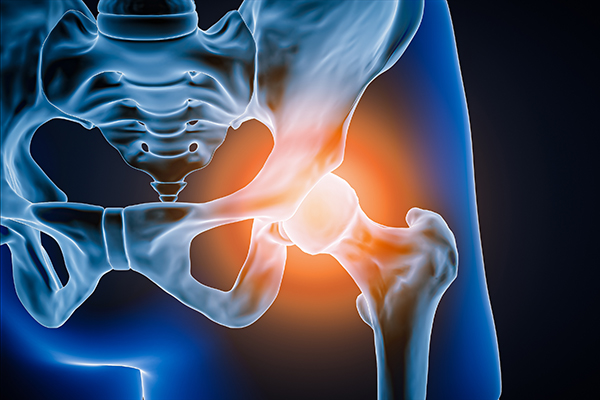
Your hip joint is designed to move smoothly and efficiently, supporting stability and mobility with every step you take. This incredible movement is because of the articular cartilage, a remarkably slippery tissue covering the ends of your bones. This specialized cartilage acts as a shock absorber and reduces friction, allowing the bones to move freely without grinding against each other. In athletes, this cartilage is subjected to immense repetitive stress, making it particularly vulnerable to wear and tear or acute injury.
How Cartilage Damage Progresses over Time
Cartilage damage isn't always a sudden event. Often, it begins subtly with small tears or areas of softening. Left unaddressed, these minor imperfections can progress, leading to larger defects or even complete loss of cartilage in certain areas. This progression can be accelerated by various factors common in athletes, such as femoroacetabular impingement (FAI), labral tears, and repetitive high-impact activities. Once the smooth surface is compromised, the joint mechanics are disrupted, leading to increased friction, inflammation, and pain.
The Real Long-Term Driver of Hip Joint Degeneration
While conditions like labral tears, impingement, and even bone deformities certainly contribute to hip pain and dysfunction, their long-term impact on a hip's health is often dictated by their effect on the articular cartilage. A labral tear, for instance, can lead to abnormal forces on the cartilage, accelerating its degeneration. Similarly, untreated FAI can cause repetitive impingement, slowly eroding the cartilage over time. Addressing these underlying issues is crucial, but ultimately, the success of any intervention hinges on preserving or restoring the integrity of the articular cartilage.
Cartilage Loss and the Risk of Early Hip Arthritis
When articular cartilage is significantly damaged or lost, the long-term prognosis for an athlete's hip becomes considerably more challenging. Unlike many other tissues in the body, articular cartilage has a very limited capacity for self-repair. This means that once it's gone, it's very difficult to regenerate naturally. Without that smooth, protective layer, bone-on-bone friction can occur, leading to persistent pain, stiffness, and ultimately, the development of osteoarthritis, a degenerative joint disease that can severely limit an athlete's ability to perform.
Modern Cartilage Restoration Options for Athletes
At the American Hip Institute, we understand the critical role of cartilage in an athlete's hip health. Our specialized approach focuses on early diagnosis and cutting-edge minimally invasive treatments aimed at preserving and, where possible, regenerating articular cartilage. From advanced arthroscopic techniques to biologic therapies like PRP and specialized cell injections, we offer a comprehensive range of solutions designed to address cartilage damage and get athletes back in the game.
Contact us today for a comprehensive evaluation and to discuss personalized treatment options for optimal hip health and performance.
AUTHOR: Benjamin D. Kuhns, MD, MS, is a board-certified, fellowship-trained orthopedic surgeon specializing in the comprehensive management of adult hip pain. Dr. Kuhns offers a full spectrum of care, from non-operative treatments—including hip-specific physical therapy, medication management, and targeted injections—to advanced surgical solutions. His surgical expertise includes complex primary and revision hip arthroscopy, open hip preservation procedures such as periacetabular and proximal femoral osteotomies, and robotic-assisted anterior total hip replacement.